
Smile Makeover Options Homewood AL: Expert, Comfortable Treatments to Transform Your Smile
You can explore a range of cosmetic and restorative options in Homewood to achieve the smile you want, from simple teeth whitening to veneers and implant-supported restorations. A personalized plan from a local dental team can address appearance, function, and comfort so you get lasting, natural results.
They explain common treatments, explain how daily care supports professional work, and tailor recommendations to your goals and budget. They also guide you through choosing a trusted Homewood practice and next steps for consultation and treatment planning.
Understanding Cosmetic Dentistry in Homewood
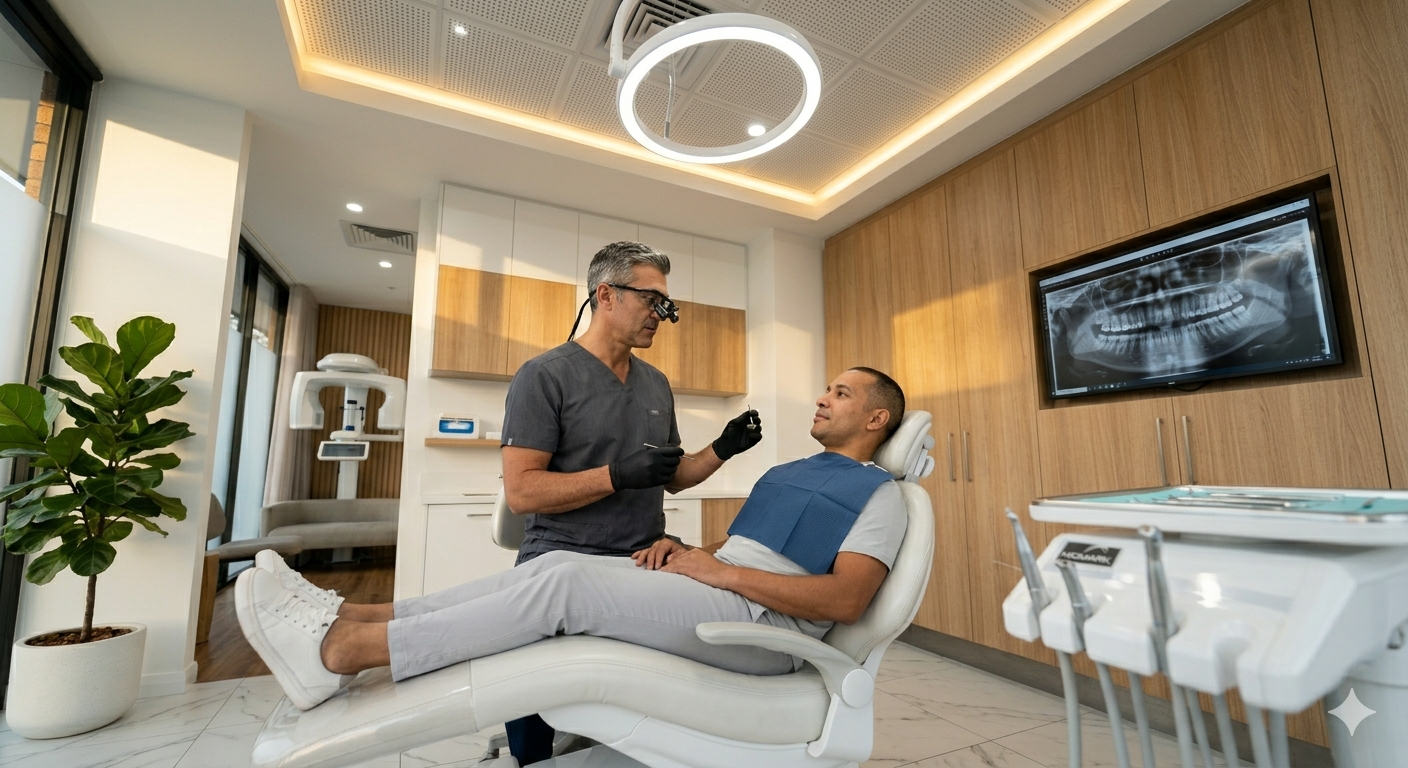
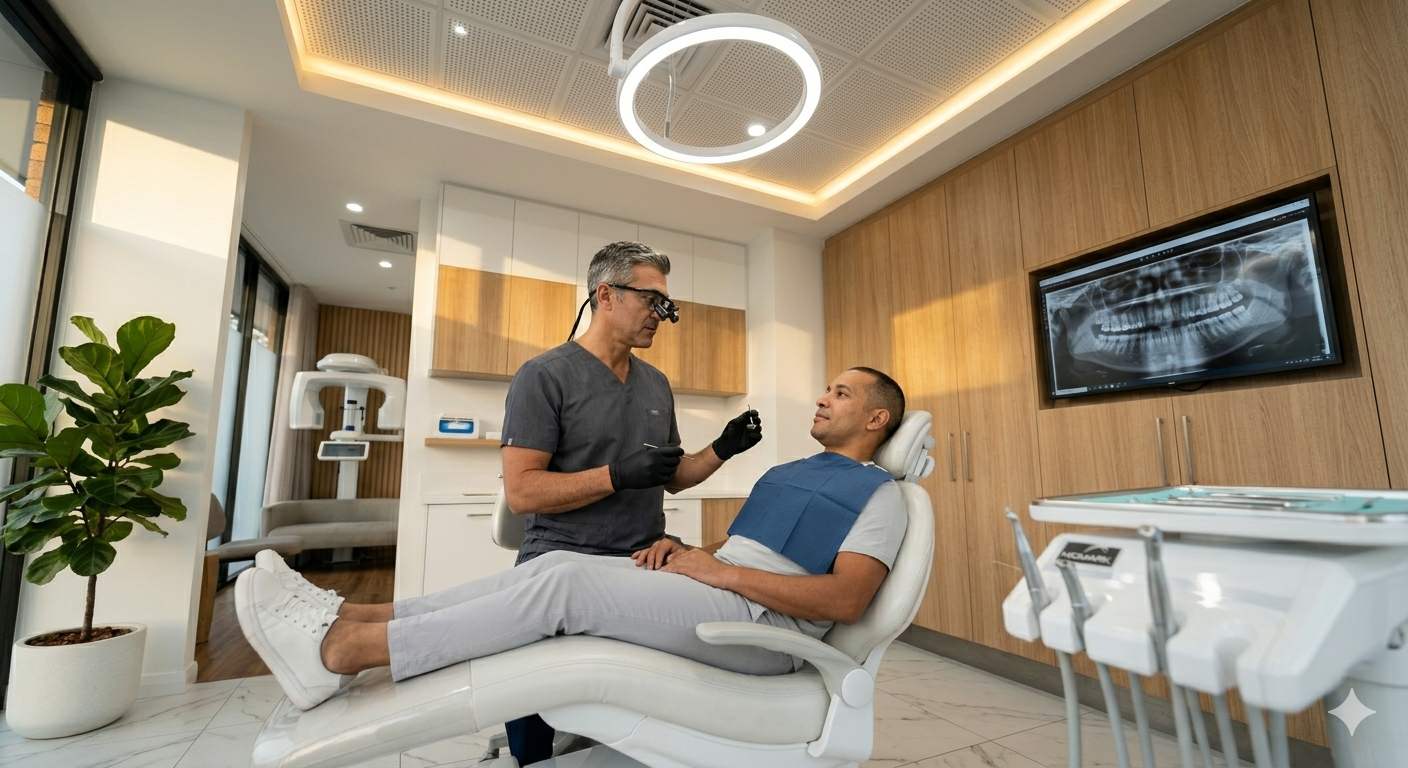
Cosmetic dentistry in Homewood combines aesthetic goals with functional care. It focuses on appearance, bite health, and long-term tooth preservation using modern materials and techniques available locally.
What Sets Cosmetic Dentistry Apart
Cosmetic dentistry prioritizes visible improvements—shape, color, alignment—while still maintaining oral health. Procedures like porcelain veneers, tooth-colored composite bonding, and professional whitening change how teeth look and are chosen for durability and natural appearance.
Clinics in Homewood use digital imaging and shade-matching systems to preview results and select materials that resist staining. Treatments often coordinate with restorative work; for example, a crown on a front tooth is matched to adjacent veneers to create a seamless smile.
Comfort and minimally invasive options matter locally. Many practices offer sedation, same-day restorations with CEREC milling, and conservative approaches that preserve healthy tooth structure whenever possible.
Common Reasons Patients Seek Smile Enhancements
People pursue smile makeovers for specific, practical reasons: stained teeth from coffee or tetracycline, chips from sports injuries, gaps that affect speech, or misaligned teeth that trap food. These concerns often affect confidence, social interaction, or professional appearance.
Patients in Homewood also request solutions for wear from bruxism or for replacing discolored old dental work. Aging restorations like metal crowns on front teeth commonly prompt upgrades to all-ceramic options.
Beyond cosmetics, many seek improvements to make brushing and flossing easier, reduce food traps, and prevent future decay. Dentists assess both appearance and function to ensure changes benefit oral hygiene and bite mechanics.
How Personalized Smile Plans Are Created
A cosmetic plan starts with a comprehensive exam: intraoral photos, digital X-rays, and bite analysis. Dentists document tooth color, gum line, and facial proportions to design changes that suit the patient’s features.
They discuss goals, budget, and timelines, then present options—veneers for shape and color control, Invisalign for alignment, whitening for shade improvement, or crowns for strength. Digital mock-ups or temporary prototypes let patients preview results before committing.
Treatment sequencing often includes periodontal care, conservative tooth preparation, and final restorations using lab ceramics or same-day milled restorations. Follow-up schedules and maintenance instructions ensure longevity and patient comfort.
Popular Professional Treatments
Patients in Homewood, AL, can choose targeted treatments that address stains, shape, and alignment to create lasting, natural-looking results. These options vary in cost, time, and maintenance, so choosing depends on the patient’s goals, oral health, and schedule.
Teeth Whitening for a Brighter Smile
Teeth whitening typically uses professional-strength peroxide gels applied in-office or via custom take-home trays. In-office whitening delivers faster results—often several shades lighter in one 60–90 minute visit—while take-home systems use lower concentrations over 1–2 weeks for gradual improvement.
A dentist first evaluates tooth sensitivity, restorations (crowns or veneers won’t whiten), and the cause of discoloration to ensure safety and realistic expectations. Common side effects include temporary sensitivity and gum irritation; dentists mitigate these with desensitizing agents and precise tray fit.
Costs range widely; in Homewood, expect professional in-office sessions to cost more than over-the-counter products but less than cosmetic restorations. Maintenance involves avoiding staining foods, smoking cessation, and occasional touch-ups—either at home or with annual office “boosters.”
Porcelain Veneers to Transform Appearance
Porcelain veneers are thin ceramic shells bonded to the front of teeth to change color, shape, and minor alignment. Dentists typically require two or three visits: consultation and imaging, conservative enamel preparation and temporary veneers, then final bonding with shade-matched porcelain.
Veneers suit patients with chipped teeth, intrinsic stains that don’t respond to whitening, uneven spacing, or wanting a consistent smile line. Porcelain offers excellent color stability and translucency that mimics natural enamel better than composite alternatives. However, veneers are irreversible because enamel is reduced.
Care involves routine brushing, flossing, and avoiding very hard foods or habits like nail-biting. Veneers can last 10–15 years with good care; the dentist will advise on repair or replacement options and coordinate with any needed complementary treatments, such as gum contouring.
Clear Aligners for Subtle Straightening
Clear aligners use a series of removable, nearly invisible trays to move teeth incrementally; patients change trays every 1–2 weeks as directed. Clinicians in Homewood begin with a 3D scan or impressions to plan movements and estimate treatment length, which commonly ranges from 6 to 18 months depending on complexity.
Aligners work well for mild to moderate crowding, spacing, and some bite issues. Compliance matters: wearing aligners 20–22 hours per day achieves predictable results. Attachments (tooth-colored bumps) or elastics may be added for more precise movements.
Benefits include easier oral hygiene than braces and fewer dietary restrictions. Regular check-ins—often every 6–10 weeks—allow dentists to monitor progress and make adjustments. Costs and treatment time vary by case; many practices offer financing and clear comparisons to traditional braces during the consultation.
Tailoring Smile Solutions to Your Needs
This section explains how clinicians match treatments to a patient’s aesthetic goals, budget, oral health, and timeline. It highlights practical decision points and what to expect during the evaluation and planning steps.
Determining the Right Option for Your Goals
The dentist first clarifies specific goals: brighter teeth, straighter alignment, repaired chips, or full-arch restoration. They document concerns with photographs, shade guides, and digital scans so recommendations tie directly to measurable needs.
Next, they weigh oral-health constraints. Active decay, gum disease, or insufficient bone can limit cosmetic choices and require priority treatment like fillings, periodontal therapy, or bone grafting before elective work.
The team assesses durability and maintenance. Porcelain veneers offer stain resistance for 10–15 years but need enamel preparation; clear aligners reposition teeth over months with nightly retainers; composite bonding costs less but may chip sooner.
Cost and timing influence the plan. Financing options, phased treatments, and same-day solutions such as CEREC crowns help match the patient’s schedule and budget while preserving long-term outcomes.
Consultation and Evaluation Process
Initial consults usually last 30–60 minutes and combine a review of medical/dental history with focused exams. They record bite relationships, tooth wear patterns, and periodontal charting to detect issues that affect aesthetics and function.
Digital tools speed diagnosis and visualization. Intraoral scans create 3D models for wax-ups or mockups; digital smile design software shows likely results; radiographs verify root and bone health. These visuals help patients set realistic expectations.
Treatment planning is collaborative. The clinician explains alternatives, expected lifespans, risks, and maintenance for each option. They provide a written plan with cost estimates, sequence of procedures, and follow-up care so the patient can decide with confidence.
Before any irreversible step, a trial or mockup often lets the patient preview shape and proportion. This reduces surprises and ensures the final result aligns with the stated goals.
Restorative Procedures for Damaged Teeth
These treatments focus on repairing chips, cracks, severe wear, and decay to restore function and appearance. They balance strength, longevity, and a natural look tailored to each tooth’s condition.
Dental Bonding to Repair Minor Flaws
Dental bonding uses tooth-colored composite resin to fix small chips, tiny cracks, and minor gaps. The dentist roughens the enamel slightly, applies a bonding agent, sculpts the resin to match the tooth shape, and cures it with a light. Bonding typically takes 30–60 minutes per tooth and often requires no anesthesia.
Bonding matches shade precisely and preserves most natural tooth structure, making it a conservative cosmetic option. It resists staining less than porcelain, so patients should avoid heavy coffee, tea, and tobacco if longevity matters. With good care, bonding lasts 5–10 years before repair or replacement may be needed.
Crowns for Strengthening and Reshaping
Crowns fully cover a damaged or weakened tooth to restore strength, size, and appearance. The dentist reduces the tooth, takes impressions (digital or physical), and fits a temporary crown while the permanent ceramic, porcelain-fused-to-metal, or zirconia crown is fabricated. Final cementation usually requires a second visit.
Crowns protect teeth after large fillings, root canals, or fractures and correct misshapen or severely worn teeth. Patients can expect improved chewing function and a natural look; maintenance includes standard oral hygiene and avoiding very hard foods to reduce risk of fracture. Dentists discuss material choice based on bite forces, esthetic needs, and budget.
Enhancing Your Smile With Everyday Care
Daily choices and simple routines help preserve cosmetic work and support oral health. Small, consistent habits reduce staining, protect restorations, and extend the life of treatments like veneers or whitening.
At-Home Habits That Support Treatment
Brush twice daily with a soft-bristled toothbrush and fluoride toothpaste to remove plaque without abrading veneers or crowns. Use a 45-degree angle and short, gentle strokes along the gumline; electric toothbrushes with pressure sensors offer consistent results.
Floss once daily using waxed floss or interdental brushes around implants and under bridgework to clear food particles that cause decay and bad breath. An antimicrobial mouthrinse can help control bacteria, but avoid alcohol-based rinses if dry mouth or sensitive soft tissues are an issue.
Limit staining foods and drinks—coffee, red wine, black tea, and heavily pigmented sauces—especially in the first two weeks after whitening or receiving new restorations. When consuming staining beverages, sip through a straw and rinse with water afterward. Tobacco cessation preserves color and oral tissue health.
Protect restorations from mechanical wear by wearing a custom nightguard if teeth grinding occurs. Avoid chewing hard objects like ice, pens, or popcorn kernels that can chip porcelain or composite.
Maintaining Results for the Long Term
Schedule professional cleanings and exams every three to six months as recommended by the dentist to monitor restorations, catch minor issues, and remove surface stains. The dental team can polish veneers, check margins on crowns, and adjust bite forces to prevent premature failure.
Follow any specific home-care instructions provided after procedures—desensitizing toothpaste for sensitivity after whitening, special brushes for around implant abutments, or fluoride trays for patients prone to decay. Keep a record of materials used (porcelain, composite, zirconia) so future providers choose compatible maintenance products.
Address problems early: contact the dental office for loose veneers, persistent sensitivity, or chips rather than waiting. Timely repairs are simpler and less costly. They encourage a consult to review personalized maintenance and next steps for lasting results.
Choosing the Right Dental Team in Homewood
Choosing a dental team starts with patient comfort and clear communication. They should explain options for veneers, whitening, implants, and bonding in plain language and listen to personal goals.
Look for credentials and experience specific to cosmetic and restorative care. Board certifications, continuing education, and before-and-after photos help show consistent results.
Evaluate technology and techniques used in the office. Digital smile design, intraoral scanning, and 3D imaging improve accuracy and reduce chair time.
Consider office atmosphere and support staff behavior. Friendly, attentive staff and a calm environment reduce anxiety and make appointments easier.
Ask about a typical treatment timeline and fees up front. Transparent pricing, payment plans, and written treatment plans prevent surprises.
Patient reviews and local recommendations offer real-world insight. Focus on recent experiences that mention follow-up care, comfort during procedures, and longevity of results.
Use this short checklist when contacting practices:
- Credentials & experience: Cosmetic dentistry training, implant experience
- Technology: Digital imaging, intraoral scanners
- Comfort measures: Sedation options, pain management
- Transparency: Written estimates, clear timelines
- Aftercare: Follow-up visits, warranty or guarantees
They should invite questions and offer a consultation to review smile goals and treatment options. Encourage scheduling a visit to discuss concerns and create a personalized plan.
Next Steps Toward a Healthier, More Confident Smile
They should schedule a consultation with a trusted Homewood dentist to review goals and medical history. A focused exam and digital images help the team recommend targeted options like whitening, veneers, or implants.
Patients will receive a personalized treatment plan that lists procedures, timelines, and costs. This plan often includes preventive care steps to protect results, such as sealants or night guards.
Insurance coverage and financing options should be discussed up front to avoid surprises. Many practices offer payment plans or third-party financing to spread costs over time.
They should ask about comfort measures used during procedures, such as local anesthesia, sedation options, or minimally invasive techniques. Knowing pain management strategies reduces anxiety and improves the experience.
Prepare a short list of priorities—function, appearance, budget, or time—before the visit. Sharing these priorities helps the dentist tailor choices that match lifestyle and expectations.
Use this checklist at the appointment:
- Medical and dental history
- Photos or examples of preferred smile styles
- Questions about timeline, maintenance, and warranties
They should follow recommended preventive steps—consistent brushing, flossing, and regular cleanings—to extend the life of any cosmetic work. Small daily habits make a big difference in long-term outcomes.
Contact the Homewood practice to book an evaluation or request financing details. The dental team can answer questions and help arrange the first visit.
Frequently Asked Questions
This section answers common patient concerns about veneers, crowns, bonding, whitening, timing, cost, comfort, and natural appearance. It gives clear criteria, typical price ranges, treatment timelines, and alternatives for those who don’t qualify for specific options.
How do I know if I need veneers, crowns, bonding, or whitening to improve my smile?
A cosmetic dentist evaluates tooth shape, size, alignment, color, and structural health to recommend a treatment. Whitening treats surface stains on otherwise healthy teeth, while bonding repairs small chips and gaps with composite resin.
Veneers suit moderately stained, misshapen, or slightly crowded front teeth when enamel is sufficient. Crowns restore teeth with large fillings, fractures, or root canal treatment because they cover and strengthen the entire visible tooth.
What does a full smile makeover usually cost, and what factors can change the price?
A full smile makeover in Homewood, AL typically ranges from $5,000 to $30,000 depending on scope. Simple cases—teeth whitening plus minor bonding—fall near the low end; multiple veneers, crowns, or implants push costs higher.
Factors that change price include the number of teeth treated, choice of materials (porcelain, ceramic, zirconia), need for preparatory work (root canals, periodontal therapy, extractions), lab fees, and whether sedation or implants are required. Insurance may cover restorative work but usually not purely cosmetic procedures.
What might disqualify someone from getting veneers, and what are the best alternatives?
Severe tooth decay, active gum disease, insufficient enamel, or bruxism (night grinding) can disqualify a patient from veneers. Poor oral health must be treated first because veneers rely on healthy gums and strong tooth structure.
Alternatives include crowns for heavily restored teeth, bonding for small cosmetic fixes, orthodontics for alignment issues, and whitening for staining. For bruxism, nightguards or orthodontic treatment may stabilize teeth before cosmetic work.
How long does a typical smile makeover take from consultation to final results?
Simple cases like whitening or bonding can finish in one or two visits, often within one to two weeks. More comprehensive makeovers involving veneers, crowns, or implants typically take several weeks to a few months.
Veneer and crown workflows usually require 2–4 visits: consultation, tooth preparation and impressions, and final placement. Implant cases add months for healing and osseointegration before the final restoration.
Will a smile makeover look natural, and how do dentists match the shape and color to my face?
Modern materials and digital design allow dentists to match color, translucency, and tooth anatomy closely to natural teeth. Dentists use shade guides, digital photos, and trial restorations (e.g., temporaries or mock-ups) to preview the result.
They also consider facial proportions, lip line, and tooth size to create a harmonious look. Patients review mock-ups and cooperate on shade and shape choices to ensure a natural appearance.
What can I expect during the process—will it hurt, and what comfort options are available?
Most patients experience minimal discomfort because dentists use local anesthesia during preparation and placement. Post-procedure sensitivity or soreness is common but usually mild and resolves within days.
Comfort options include topical anesthetic, nitrous oxide (laughing gas), oral sedation, and in-office IV sedation for more anxious patients. Dentists recommend over-the-counter pain relievers, a soft-food diet for a few days, and follow-up visits to monitor healing.
For personalized guidance and accurate pricing, patients are encouraged to schedule a consultation with a Homewood dentist who can assess oral health and create a step-by-step plan.