
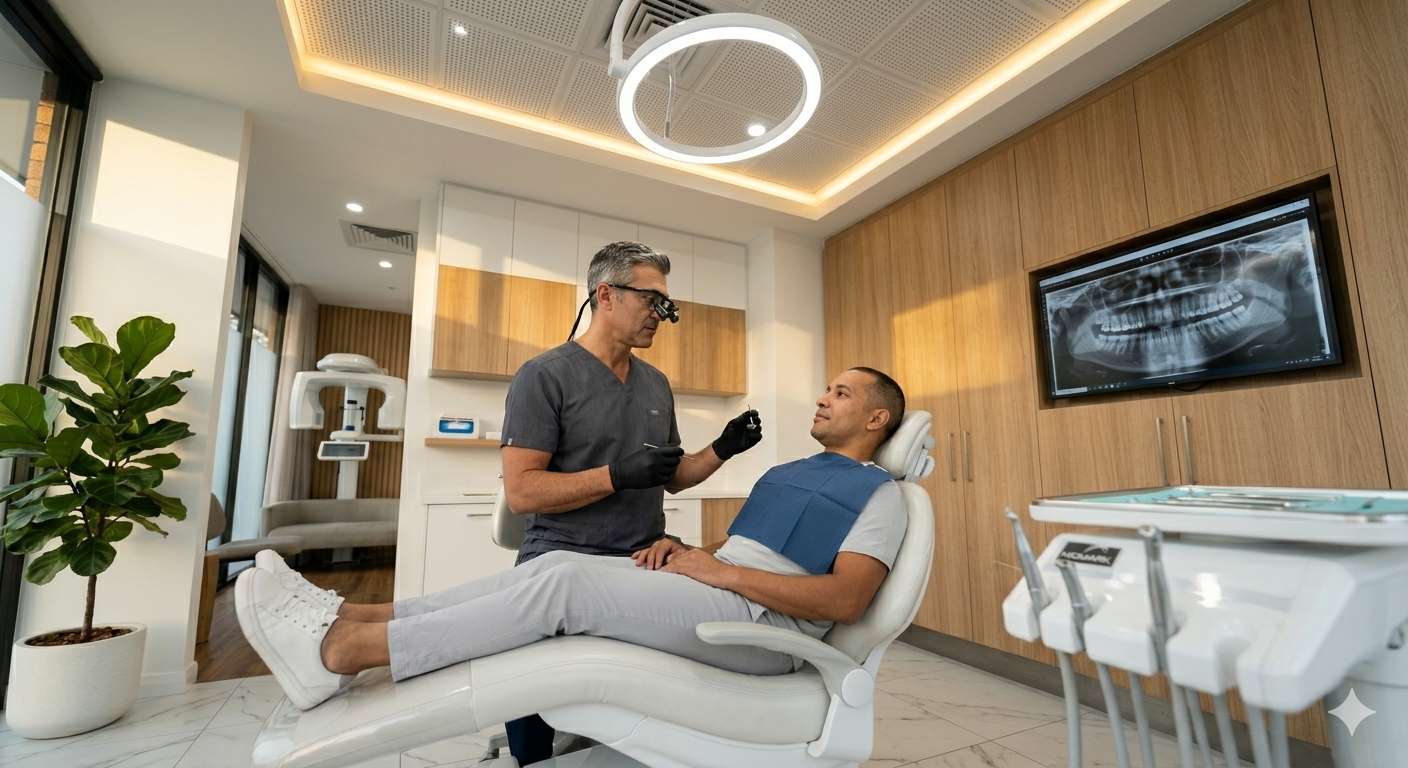
Emergency Dental Homewood AL: Trusted Care When You Need It Most
When a dental emergency strikes in Homewood, AL, knowing where to turn quickly can make all the difference. Whether it’s a sudden toothache, a chipped tooth, or another urgent issue, immediate care helps prevent pain and further damage. Emergency dental services in Homewood focus on prompt, compassionate treatment to relieve discomfort and protect dental health.
Local dentists understand that unexpected problems can cause anxiety, so they aim to provide a calm, friendly environment. With modern technology and effective pain management options, patients receive expert care tailored to their needs. This approach helps patients feel supported every step of the way.
For anyone facing an urgent dental issue, it’s important to act swiftly and contact a trusted Homewood dentist. They can offer guidance on what to do before an appointment and ensure patients get timely attention. Taking quick steps can often save teeth and reduce the need for more complex procedures later.
Recognizing Dental Emergencies
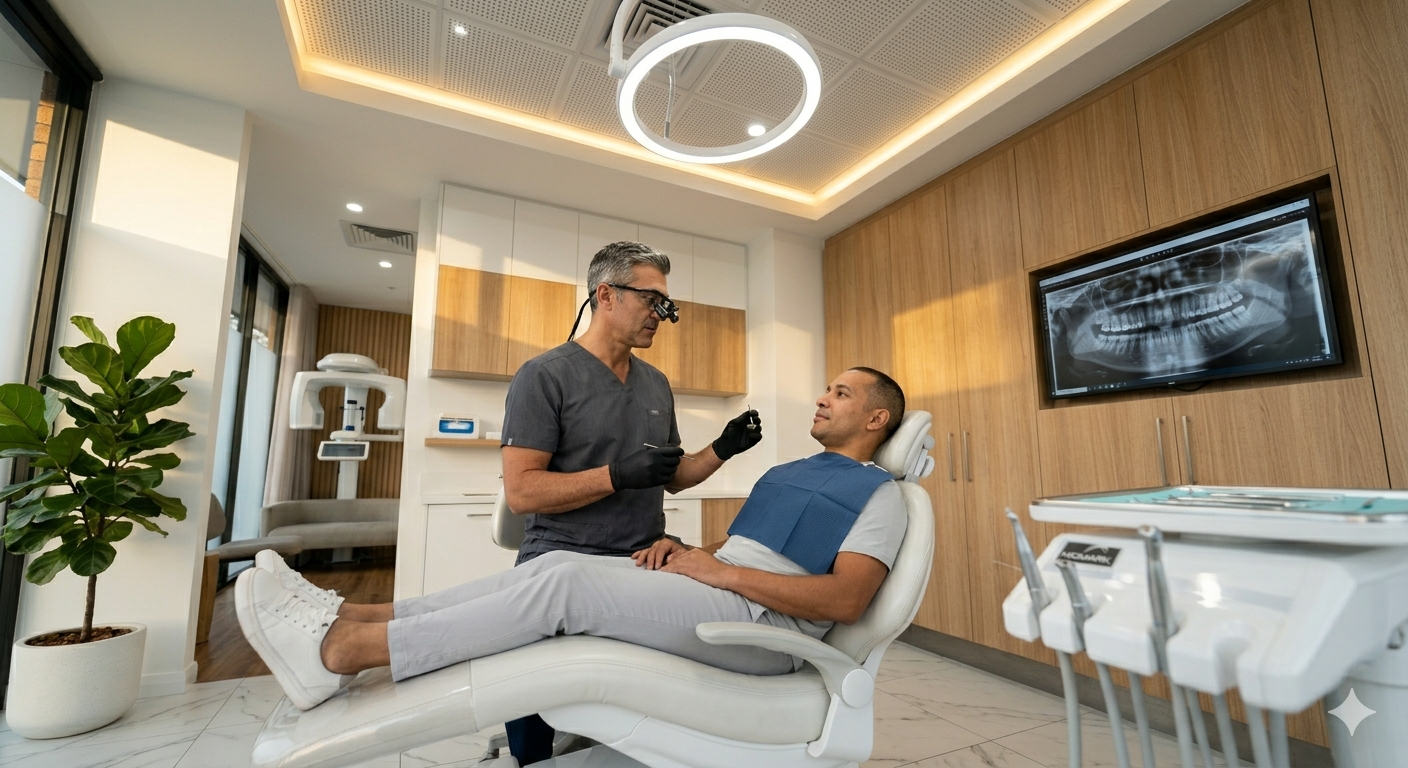
Knowing when a dental issue requires urgent attention can save pain and prevent further damage. Some problems demand immediate care, while others can wait for a scheduled visit. Understanding the signs and differences helps patients act quickly and confidently.
Common Signs and Symptoms
Severe tooth pain that won’t subside with over-the-counter painkillers often signals a dental emergency. Swelling around the face or gums, especially if accompanied by fever, can indicate an infection needing prompt treatment.
Other signs include a knocked-out tooth, broken or cracked teeth causing sharp pain, and uncontrollable bleeding after an injury. Sensitivity to hot or cold lasting more than a few seconds is usually less urgent but should still be checked within a couple of days.
When to Seek Immediate Care
Immediate care is essential if there is intense pain, swelling that compromises breathing or swallowing, or trauma resulting in a lost tooth. Also, heavy bleeding that doesn’t stop after applying pressure requires urgent attention.
If a tooth is knocked out, quick action is vital. The tooth should be handled carefully by the crown (top part), rinsed gently, and placed back in the socket if possible, or kept in milk while rushing to the dental office.
Differences Between Urgent and Non-Urgent Issues
Urgent issues generally involve pain, bleeding, swelling, or trauma that threatens oral health or overall well-being. Non-urgent concerns might include minor chips, mild sensitivity, or a loose crown without pain.
For example, a small cracked tooth without discomfort can usually wait for a regular appointment. In contrast, a broken tooth causing sharp edges or pain demands same-day care. Recognizing these differences can reduce anxiety and guide appropriate timing for professional care.
Types of Dental Emergencies
Dental emergencies can vary widely, but some conditions need immediate attention to prevent further damage or pain. Understanding the specific signs and treatments can help patients act quickly and wisely in urgent situations.
Severe Toothache
A severe toothache often signals an infection or deep decay that demands prompt care. The pain may be persistent, sharp, or throbbing and can worsen when chewing or when exposed to hot or cold temperatures.
Ignoring this pain risks the infection spreading beyond the tooth, potentially leading to abscesses or more serious health complications. Treatment typically involves examining the tooth for cavities, cracks, or gum disease, followed by procedures like root canal therapy or antibiotics to clear infection and relieve pain.
Chipped or Broken Teeth
Chipped or broken teeth can range from minor cracks to pieces completely breaking off. Even small chips can expose sensitive layers underneath, causing discomfort and increasing the risk of decay or infection.
Patients should save any tooth fragments and rinse their mouth with warm water. Dental professionals can often repair these teeth with bonding, crowns, or veneers, restoring both function and appearance. Prompt care helps avoid worsening damage and sensitivity.
Knocked-Out Tooth
A knocked-out tooth, also called an avulsed tooth, requires immediate action to increase chances of saving it. If possible, patients should handle the tooth by the crown (top surface), rinse it gently without scrubbing, and try to place it back into the socket.
If reinserting isn’t feasible, keeping the tooth moist in milk or a saline solution within 30 minutes is critical. Emergency dentists in Homewood, AL, can often reimplant the tooth with prompt treatment, preserving natural teeth and avoiding more invasive options like implants or bridges.
Immediate Steps to Take at Home
When a dental emergency happens, quick, calm action can ease pain and protect teeth until professional care is available. Knowing how to reduce discomfort and handle broken dental work at home is essential for preventing further damage.
Managing Pain and Swelling
For pain relief, over-the-counter painkillers like ibuprofen can reduce both pain and inflammation. It’s important to follow dosage instructions carefully. Applying a cold compress to the cheek near the affected area can also help reduce swelling and numb the pain. Use the cold pack in 15-minute intervals to avoid skin irritation.
Avoid very hot, cold, or sugary foods and drinks, as they can worsen sensitivity. Rinsing gently with warm salt water can clean the area and soothe gums, but vigorous rinsing should be avoided to prevent aggravating the injury.
Stabilizing a Lost Filling or Crown
If a filling or crown falls out, try not to panic. First, save the lost piece if possible and rinse it gently to clean off debris without scrubbing. Applying a little dental cement or sugar-free gum inside the crown can help keep it in place temporarily.
Avoid chewing on that side to prevent further damage. If you don’t have temporary dental cement, clean the tooth and cover it with a piece of gauze to protect the area. Scheduling a dental appointment quickly is important to restore the tooth safely and prevent infection.
What to Expect During an Emergency Dental Visit
When visiting an emergency dental clinic in Homewood, patients can expect a focused approach to quickly identify the issue and begin treatment for relief. The process prioritizes comfort, efficiency, and accurate diagnosis to manage pain and prevent further complications.
Initial Assessment
The dentist starts by asking detailed questions about the injury or pain, including how it started and the severity. They will examine the mouth, teeth, gums, and jaw, often using digital X-rays to pinpoint fractures, infections, or other problems.
This examination helps the dentist decide the best immediate treatment. They look for signs of swelling, bleeding, or loose teeth, which might require urgent care. Clear communication from the patient about symptoms supports faster diagnosis.
Pain Relief Options
Pain management is a top priority during emergency visits. Depending on the situation, dentists may offer local anesthesia to numb the area, ensuring the patient feels little to no discomfort during treatment.
For swelling or infection-related pain, antibiotics and anti-inflammatory medications might be prescribed. Over-the-counter pain relievers can also be recommended for use at home. The dentist will explain safe medication use and any necessary follow-up.
Modern Treatments for Dental Emergencies
When a dental emergency happens, quick and accurate diagnosis combined with effective treatment is essential. New technologies and solutions make it easier for patients in Homewood, AL, to get relief and restore their dental health promptly.
Digital X-Rays and Diagnostics
Digital X-rays provide detailed images instantly, making it easier to identify problems like fractured teeth, abscesses, or hidden cavities. Unlike traditional X-rays, digital ones emit less radiation and produce clearer pictures. This helps dentists pinpoint the exact issue without delay.
Many emergency dental offices in Homewood use digital sensors and software that allow for immediate analysis. This technology speeds up decision-making and reduces patient discomfort since less time is spent in the chair. It’s especially useful when assessing injuries from trauma or sudden pain.
Restorative Solutions
Once the issue is identified, restorative treatments aim to relieve pain and restore function quickly. Common options include dental bonding, which repairs chipped or cracked teeth with tooth-colored resin applied in a single visit.
For more severe damage, crowns can protect and strengthen a tooth after an emergency. In cases of decay or infection, root canals save the tooth by removing damaged pulp. Many practices now offer same-day crowns using CAD/CAM technology, which means fewer visits and faster relief.
Patients should ask about sedation options during treatment if anxiety or pain is a concern. Modern restorative care focuses on comfort and preserving as much natural tooth structure as possible.
Aftercare and Recovery Tips
Proper care after an emergency dental visit is key to healing and avoiding complications. Knowing when to return for checkups and how to care for your mouth at home helps speed recovery and keep pain in check.
Follow-Up Visits
Follow-up appointments let dentists check healing progress and address any problems early. After treatments like tooth extractions or root canals, patients often need one or more visits within 1 to 2 weeks. These visits ensure no infection or dry socket has developed.
Dentists may also adjust temporary crowns or fillings during these appointments. It’s important to keep these visits even if symptoms improve quickly. Missing follow-ups can lead to hidden issues or longer recovery.
At-Home Care Instructions
At home, patients should avoid hard, crunchy foods for a few days and stick to soft, bland options. Drinking through a straw or smoking should be avoided because they can dislodge blood clots and delay healing.
Pain and swelling are normal but can be managed with prescribed medications or over-the-counter pain relievers like ibuprofen. Applying an ice pack for 15 minutes on and off during the first 24 hours helps reduce swelling.
Good oral hygiene is crucial but must be gentle. Brushing teeth carefully and rinsing with warm salt water after 24 hours lowers infection risk without irritating the treated area. Following these steps helps patients feel better faster and supports lasting oral health.
Preventing Future Dental Emergencies
Dental emergencies can be painful and stressful, but many can be avoided with simple preventive steps. Regular dental checkups give the dentist a chance to spot issues early before they become urgent problems.
Good daily habits matter a lot. Brushing twice a day with fluoride toothpaste and flossing daily remove plaque and prevent tooth decay and gum disease—two common causes of emergencies.
Protecting teeth during activities is important too. Wearing a mouthguard while playing sports or grinding can shield teeth from chips, cracks, and other injuries.
Diet also plays a role. Cutting back on sugary and acidic foods reduces the risk of cavities and enamel erosion. Drinking plenty of water helps keep the mouth clean and fresh.
| Preventive Tips | Why It Helps |
|---|---|
| Regular dental visits | Early detection of issues |
| Daily brushing & flossing | Removes bacteria that cause damage |
| Mouthguards for sports | Prevents physical trauma |
| Healthy diet | Reduces decay and strengthens enamel |
By maintaining these habits, patients in Homewood, AL, can enjoy healthier teeth and reduce emergency visits. Dentists are always ready to help with personalized advice, so don’t hesitate to ask about tailored prevention plans.
Finding Local Emergency Dental Care in Homewood
When unexpected dental problems arise, knowing where to turn quickly is important. Homewood offers several emergency dental clinics equipped to handle urgent issues like severe tooth pain, broken teeth, or infections. These offices often provide same-day appointments to ensure patients get timely relief.
Local dentists in Homewood focus on patient comfort and use modern technology to diagnose and treat emergencies efficiently. Many offices also accept a range of insurance plans and offer payment options, helping reduce stress during a dental crisis.
Here’s what to look for when choosing emergency dental care nearby:
- Availability: Clinics open evenings or weekends provide greater flexibility.
- Experience: Emergency-trained dentists handle urgent cases with skill and care.
- Services: Look for providers who offer a range of treatments, from pain management to root canals or extractions.
- Location: Choose a convenient office for quick access.
Patients can often find emergency dental providers by searching online or asking for recommendations from local medical offices. It’s a good idea to save contact information ahead of time, so it’s ready when you need it.
If you experience a dental emergency in Homewood, calling your preferred dentist first can sometimes get you immediate advice or an emergency visit. Taking prompt action helps prevent complications and ensures better outcomes.
Your Neighborhood Dental Team Is Here to Help
The dental team in Homewood is ready to support you whenever a dental emergency strikes. They understand how unsettling pain or sudden injury can be and prioritize quick, compassionate care to ease discomfort.
Experienced professionals are on hand to address issues like broken teeth, severe toothaches, or lost fillings. They use modern equipment and techniques to provide accurate diagnosis and gentle treatment.
Patients can expect a welcoming atmosphere where every question is answered clearly. The team believes in explaining procedures simply, helping people feel confident about their care.
Preventive advice is also a key part of their approach. They offer tips on avoiding future emergencies, such as protective gear for sports, proper oral hygiene, and regular check-ups.
If urgent dental help is needed, the neighborhood practice often offers flexible scheduling or same-day appointments. This ensures no one has to wait in pain.
Services may include:
| Emergency Type | Common Treatments |
|---|---|
| Toothache | Pain management, cavity repair |
| Broken or cracked tooth | Bonding, crowns, or extraction |
| Lost filling or crown | Replacement or repair |
| Soft tissue injuries | Cleaning, sutures, or medication |
Having a trusted dental team nearby can make a big difference during stressful moments. They encourage you to call with any concerns or questions without hesitation.
Frequently Asked Questions
Knowing when to seek immediate dental care can prevent more serious issues later. Quick action after an injury or sudden pain often leads to better outcomes and less discomfort.
How do I know if my tooth pain needs same-day care or can wait until the next appointment?
Severe pain that won’t stop, swelling, or signs of infection like fever means same-day care is needed. Mild, occasional soreness without swelling usually can wait for a regular visit.
What should I do right away if I chip or break a tooth, and how quickly should I be seen?
Rinse your mouth gently with warm water and save any tooth pieces. Call the dentist immediately—ideally, you should be seen within a few hours to prevent further damage or infection.
If a filling or crown falls out, what can I do to protect the tooth until I get to the dentist?
Keep the area clean and avoid chewing on that side. Store the crown or filling in a sealed container and see the dentist promptly, preferably within 24 hours.
Can I be seen for urgent dental care on a Saturday or Sunday, and what should I bring with me?
Many emergency dentists in Homewood offer weekend hours. Bring your ID, dental insurance info if available, and any pain medications you’re taking.
What are my options for relief if my child has sudden tooth pain or a dental injury?
Cold compresses can reduce swelling and over-the-counter pain relief can help. Contact your pediatric or emergency dentist quickly for evaluation to avoid complications.
How much does an urgent dental visit typically cost, and are there payment or financing options available?
Costs vary depending on the treatment, but many providers offer upfront estimates. Most offices have payment plans or financing options to help manage unexpected expenses.